







Search Results for: dividing line
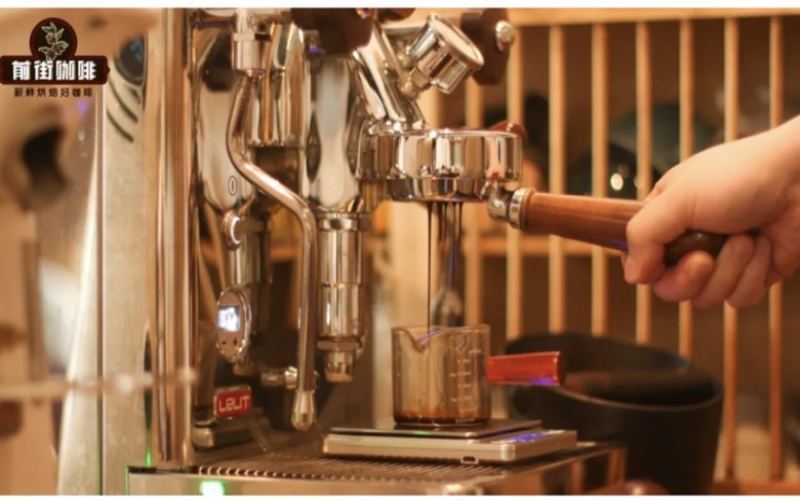
Beans for Both Espresso and Pour-Over: How to Configure a Single Machine for Two Brewing Methods
Players who have both an espresso machine and a pour-over kettle at home often fall into a kind of happy dilemma: when buying beans, they're always torn over "should this one be for pour-over or for espresso?" Actually, the mature approach is a dual-purpose bean lineup—within the same purchase batch, some beans are dedicated to espresso, some are dedicated to pour-over, and some can pull off both faces. This article talks about [more…]
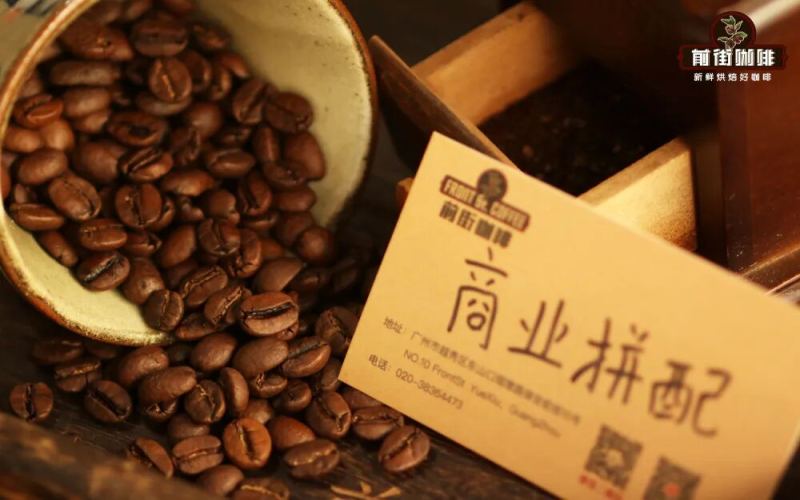
Introduction to Arabica and Robusta Coffee Beans | What are the origins, flavors, and appearance characteristics of Arabica and Robusta coffee beans?
If you know anything about coffee, you're surely aware that coffee beans fall into two main categories: Robusta and Arabica. These are arguably the two most common bean varieties we encounter. But why is Arabica coffee more favored? So today, Front Street Coffee is here to share exactly what's going on between these two. [more…]
What Is the Coffee Belt: Why Coffee Is Grown on Both Sides of the Equator
Open the world coffee-growing regions map, and you'll notice an interesting pattern: the major growing regions are almost all concentrated in a band on either side of the equator. This band is called the Coffee Belt. Understanding it means understanding the broad framework of coffee origins and flavors. Where is the Coffee Belt? The Coffee Belt lies roughly between the Tropic of Cancer and the Tropic of Capricorn, that is, [more…]
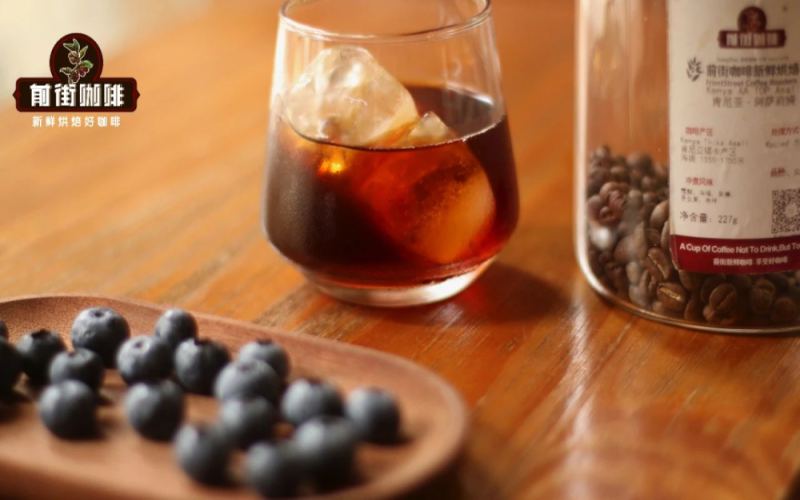
A Guide to Coffee's Fruity Flavors | What Is the Berry Flavor in Pour-Over Coffee? 3 Recommended Single-Origin Pour-Over Beans with Distinct Berry Notes
Compared to tropical fruits, the description "berry" is obviously much easier to understand, but the word "berry" does not refer to just one specific fruit; rather, it broadly refers to a category that includes many small, juicy fruits. However, unlike tropical fruits, berries have their own separate category in the new version of the SCA Coffee Flavor Wheel released in 2016. [more…]
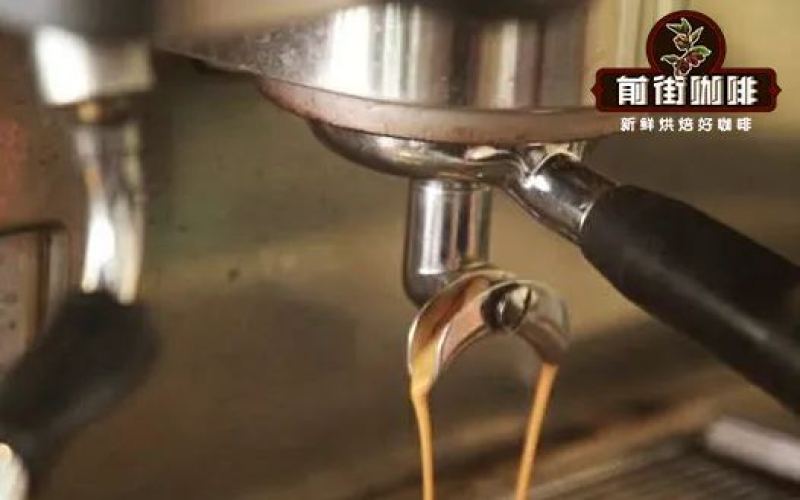
Espresso Flavor
The concept of specialty coffee has been in China for over thirty years, and has developed rapidly in the past decade. At the same time, people have also raised questions about the concept of specialty coffee. Pour-over is generally considered specialty coffee, so are Americano, espresso, and others also specialty coffee? In fact, in international coffee competitions, especially in Northern Europe, espresso [more…]
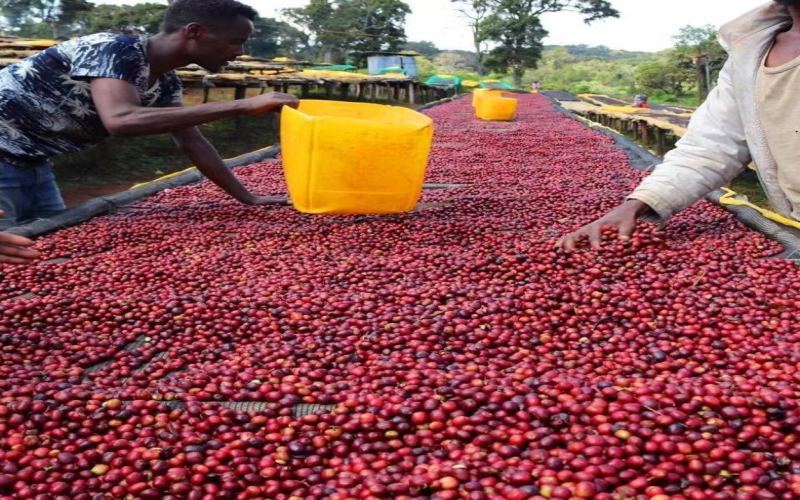
How to Choose Medium-Roast Coffee Beans for Pour-Over: The Art of Balancing Body, Sweetness, and Aroma
Choosing beans is more practical when you start from the scenario: a morning black coffee to wake up, a milk coffee with breakfast, the leisure of pour-over, or the convenience of a machine—each calls for its own roast level, flavor intensity, and brewing method. There are quite a few variables in pour-over flavor: origin, variety, processing method, roast level, plus water temperature, grind size, and pouring rhythm. [more…]
How to Choose Several Coffee Beans Suitable for Pour-Over: Plan Your Bean List Based on Drinking Volume and Budget
Put a bean into a pour-over, espresso machine, or moka pot, and it will show three different faces. Pour-over highlights aroma and clarity, the espresso machine emphasizes intensity and sweetness, and the moka pot requires a balance among pressure, heat, and the coffee bed. The brewing device determines the approach to bean selection, while the roast level determines the direction of the parameters. The flavor direction of pour-over is determined by origin, variety, and process [more…]
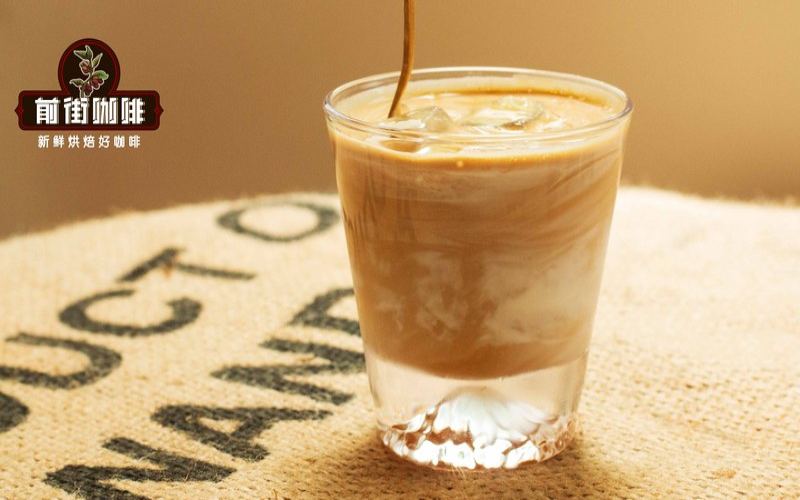
Medium-roast pour-over beans recommendation: choose flavors along the roast level
Medium-roast coffee beans are not an option with just a single flavor. As the roast goes lighter, the cup retains clearer floral notes, fruity acidity, and a tea-like quality; as it goes darker, it gains caramel sweetness, nuttiness, and more body. Using roast level as a filter lets you first determine the general character of a cup of coffee before looking at origin and flavor description. [more…]
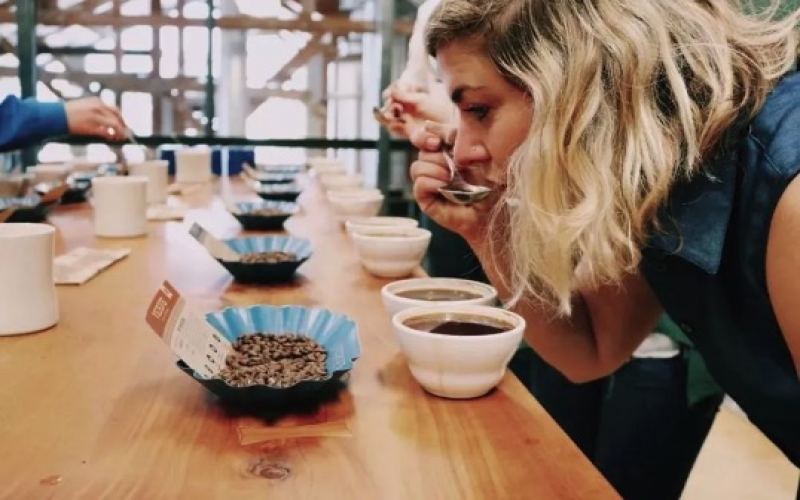
The scoring criteria for coffee cupping. SCA How to evaluate a cup of coffee.
The scoring criteria for coffee cupping. The cupping of coffee beans was initially to ensure whether the quality of the coffee beans that are about to enter the trade is qualified. With the passage of time, after the concept of specialty coffee was b [more…]
Sweet fruity pour-over beans: when is the best time to open the bag after roasting?
Hand-brew beans with pronounced sweetness and abundant fruit aromatics are not necessarily best brewed the closer they are to leaving the roaster. Freshly roasted beans are still continuously releasing carbon dioxide, and when hot water touches them, the coffee bed tends to puff up noticeably; the aroma may seem soaring, but the cup can taste somewhat scattered. Give them a quiet, stable period of rest, and the fruit notes and sweetness will usually connect more [more…]
Opening Rhythm and Flavor Changes of Dark Roast Pour-Over Beans
When brewing pour-over with dark roast coffee beans, the flavor usually unfolds with notes of cocoa, roasted nuts, and caramel sweetness; when the water temperature is right, you can also taste a rounded, sweet finish. However, for these beans, the journey from completion of roasting to the first sip is not a straight line from opening the bag to drinking. Degassing rate, time after opening, and storage method all alter the aroma, body, and [more…]
What milk to use for coffee | What milk to use for latte art with zero basics Italian latte art steps, techniques, pictures, video tutorial
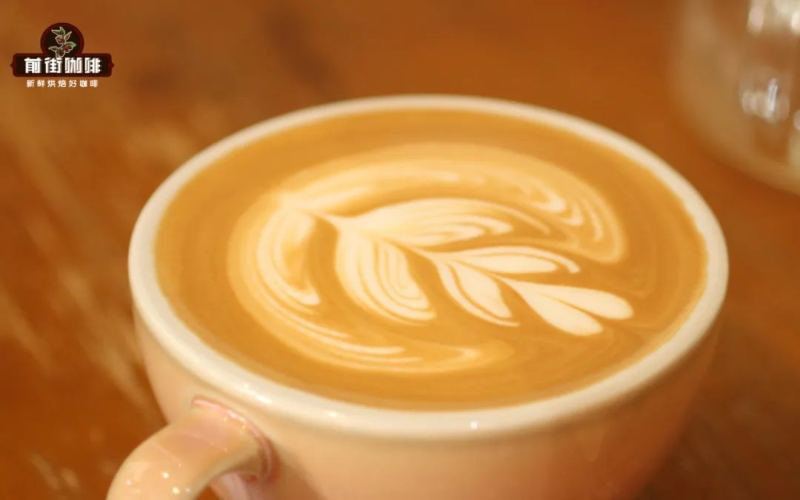
Whether coffee is good or not can only be known once you taste it; but black coffee is at most just a cup of dark, unidentified liquid, so how can it entice people who don't drink coffee to want to try it? Let's not consider anything else, and focus only on what can be done with the coffee itself. Among milk coffees with added milk, latte art may be the first thing in all coffee drinks to capture [more…]

Hacienda La Esmeralda Geisha Coffee Bean Grades | What is the difference between Panama La Esmeralda Geisha Red Label and Green Label? Why is Esmeralda Geisha coffee so expensive?
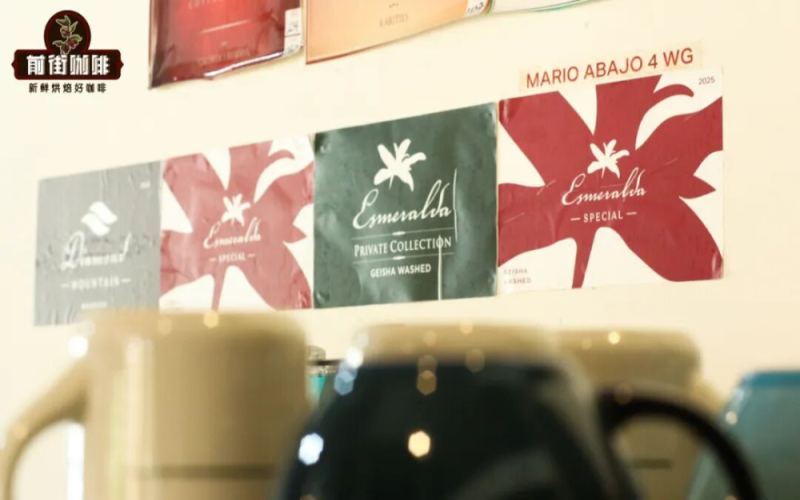
If Geisha is likened to a thousand-mile horse, then Hacienda La Esmeralda is undoubtedly the Bo Le who recognized its worth. It was Hacienda La Esmeralda that discovered Geisha's potential and introduced its exquisite flavor to the world at the 2004 BOP, which is why Geisha has become the top variety in today's specialty coffee scene. It can be said that without [more…]
Panama Hacienda La Esmeralda Geisha Coffee Beans | What's the Difference Between Red Label Geisha and Green Label Geisha (Geisha) Coffee Beans? How Did Hacienda La Esmeralda Come to Grade Geisha Coffee?
If Geisha is compared to a legendary steed, then Hacienda La Esmeralda is undoubtedly the judge who recognized its worth. It was Hacienda La Esmeralda that discovered Geisha's potential and introduced its delicious flavor to the world at the 2004 BOP, which is why Geisha has become the top variety in today's specialty coffee scene. It can be said that without [more…]
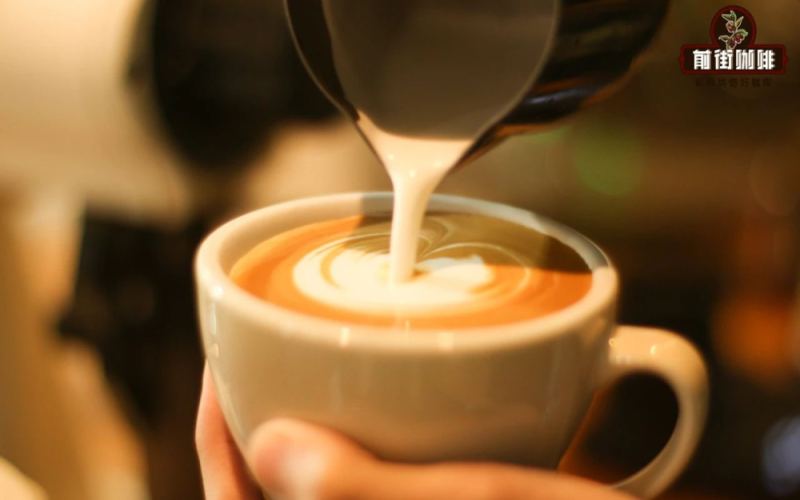
Simple Latte Art Illustrated Guide | What is the principle behind coffee latte art? Which kind of milk is used to make latte art? Is it hard for coffee beginners to learn latte art?
Many people ask Front Street, how long does it take to learn latte art? If we're just talking about producing a good-looking pattern, with a bit of luck it only takes one day. If we're talking about truly mastering a pattern, it takes at least 4 days. So many people ask, where do these 4 days come from? It's simple: Day one, read this article from Front Street; day two, practice; day three, [more…]

Hacienda La Esmeralda Red Label Geisha: How to Read Panama Geisha's Grading System
In the specialty coffee world, Geisha from Panama's Hacienda La Esmeralda is a name that's almost impossible to avoid. When buying Geisha, product pages often feature terms like "Red Label," "Green Label," and "Auction Lot"—but what exactly do they mean? This article uses Hacienda La Esmeralda's Red Label Geisha as a thread to help you make sense of the grading system. Emerald [more…]
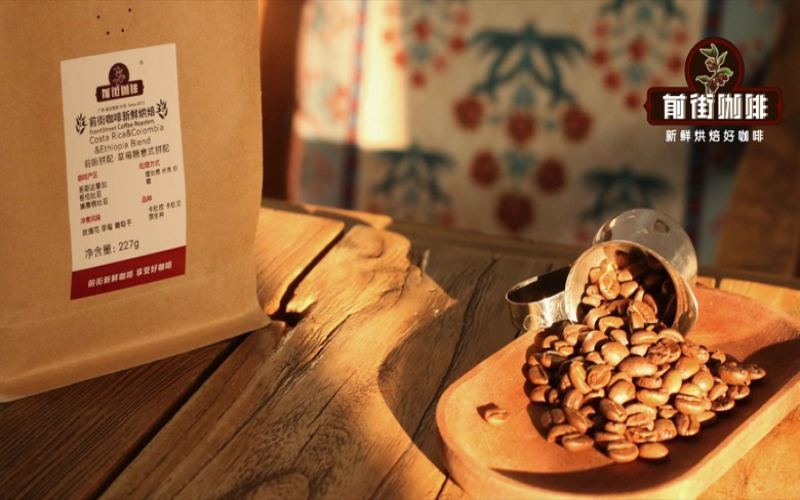
Why Strawberry Candy Latte Works: The Underlying Logic of Flavored Beans
Seeing a strawberry candy latte on a café menu, many people instinctively assume it contains syrup. In fact, a properly processed flavored bean can produce a strawberry-like sweet aroma without any syrup at all, and Front Street Coffee's Strawberry Candy Blend was designed with exactly this approach in mind. Its premise is that the bean's own fermented flavor is distinctive enough—so distinctive that [more…]
The Cafe Owner's Espresso Bean Shopping List: How to Pair Four Blends for Maximum Peace of Mind
For opening a coffee shop, espresso beans are the ingredient used in the largest quantity and have the greatest impact on product consistency. Choose wrong, and either costs spiral out of control or your drinks lack distinction; choose right, and a single machine can support most of the menu. Today, from the perspective of a shop owner, let's clearly explain the positioning and pairing plans for Front Street Coffee's four espresso blends. First, let's clarify: [more…]
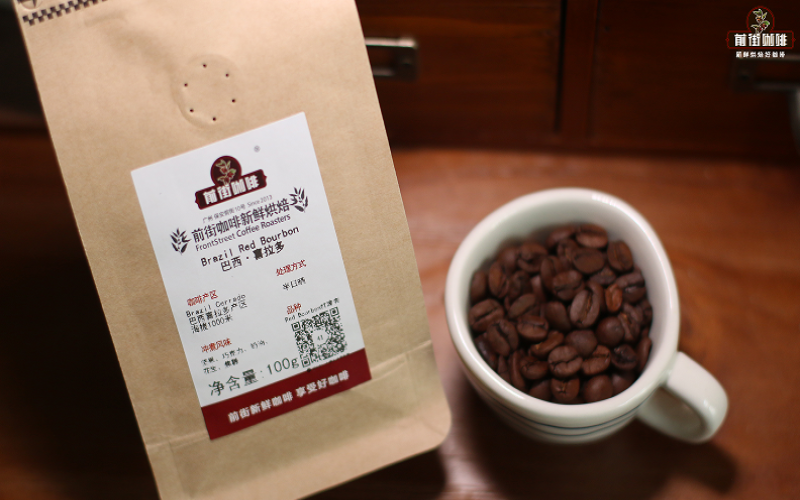
Drip Bag Varieties | What is the brewing method for Brazilian Red Bourbon drip bag coffee? What are the key points for brewing filter-style drip bag coffee packs? Drip bag coffee brand recommendations
Nowadays, more and more people have developed the habit of drinking coffee every day. But for those who don't work at a coffee shop, how can they enjoy coffee anytime? That's when the baristas at Front Street Coffee (FrontStreet Coffee) brought out drip coffee bags! Today, Front Street is here to share Front Street Coffee (F [more…]

How to Choose Authentic Blue Mountain Coffee Beans: How Equipment, Parameters, and Bean Flavor Work Together
The same beans brewed in different devices will show noticeably different results. Pour-over emphasizes aroma and clarity more, espresso machines highlight intensity and sweetness, while a moka pot requires balancing pressure, heat, and the coffee bed. Bean selection cannot be separated from the brewing device, and the parameters should also be adjusted according to the roast level of the beans. The origin name provides a flavor profile line. [more…]